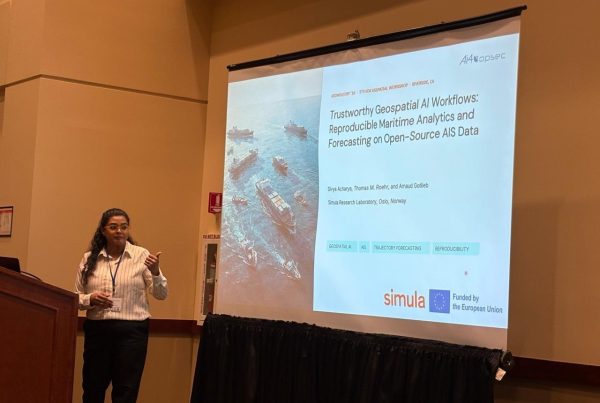
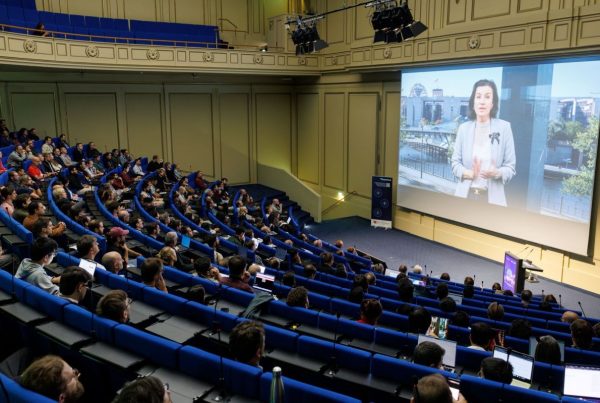
The workshop, titled “AI-Driven Risk Assessment for Maritime Security: From Detection to Decision,” marked the second joint workshop organised by AI4COPSEC and the first in collaboration with CROSSMARE. It provided an opportunity to exchange knowledge, demonstrate emerging technologies and discuss the practical requirements for integrating AI-powered tools into maritime security operations.
From AI-powered detection to operational decision-making
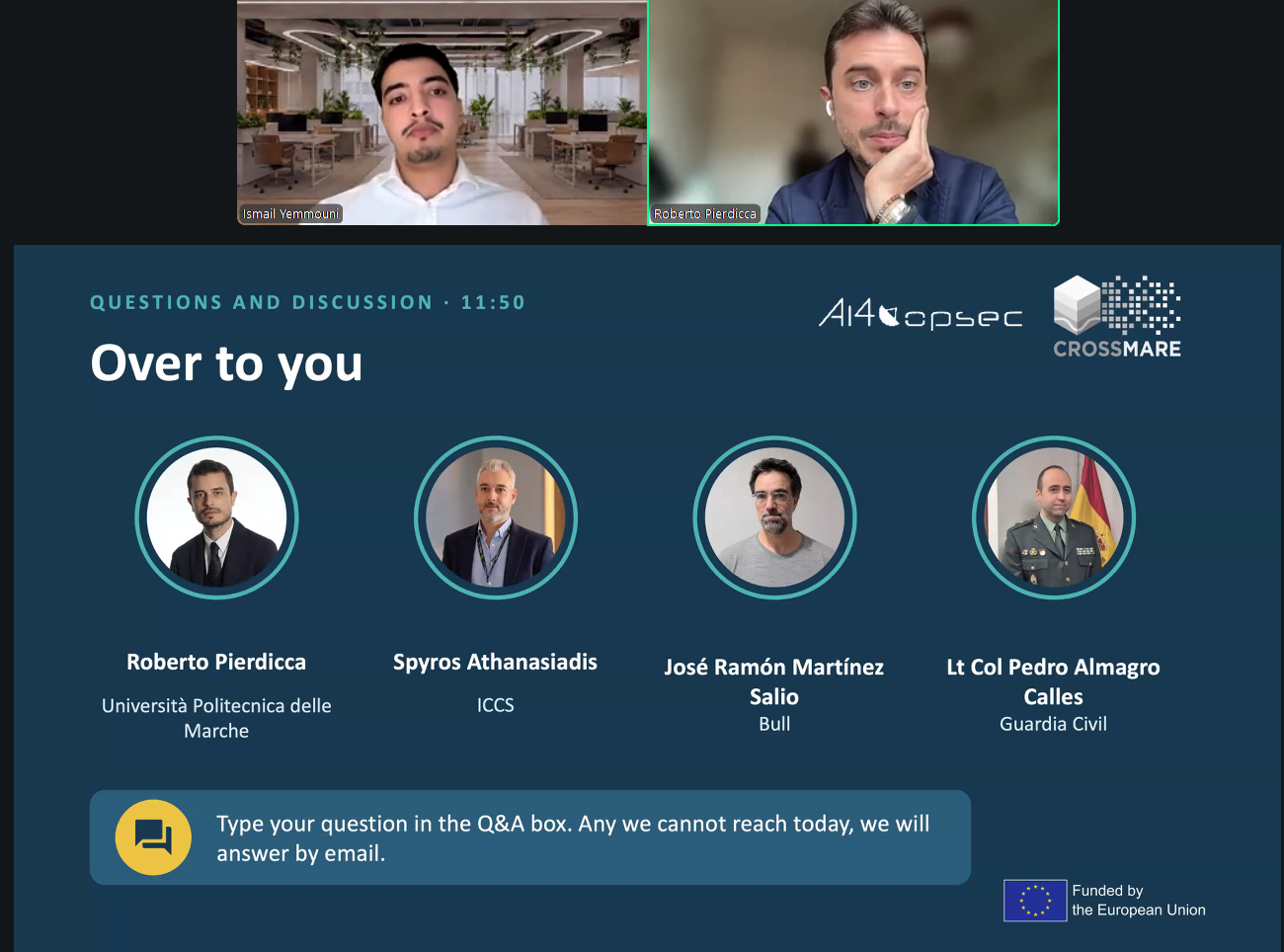
The workshop opened with a presentation by Roberto Pierdicca, Associate Professor of Geomatics at Università Politecnica delle Marche, who introduced AI4COPSEC’s approach to combining satellite imagery, vessel information and open-source data to improve maritime situational awareness. His presentation highlighted the project’s work on detecting small fishing vessels that do not transmit Automatic Identification System (AIS) signals.
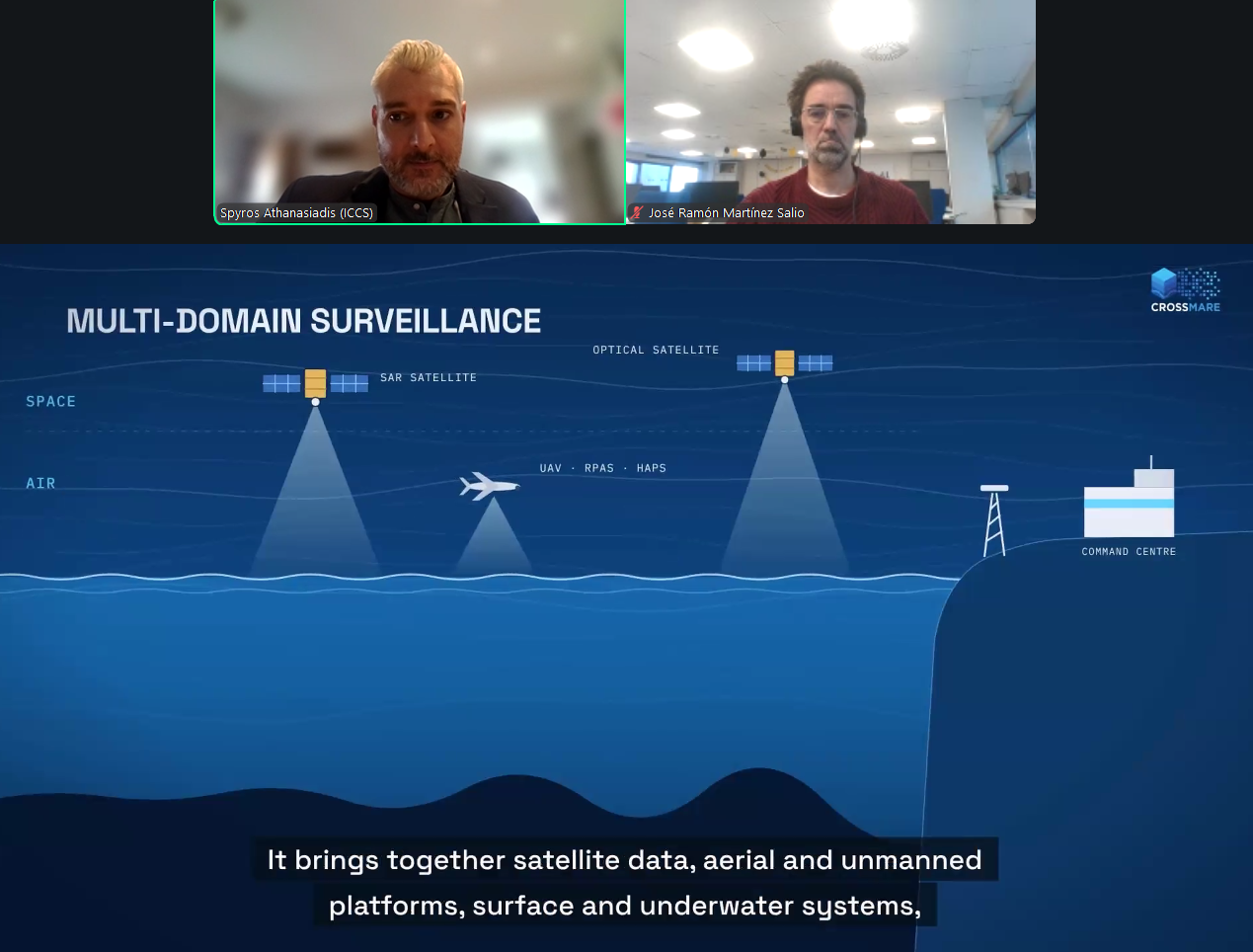
Representing CROSSMARE, Spyros Athanasiadis, Senior Researcher and Scientific Project Manager at the Institute of Communication and Computer Systems (ICCS), presented the project’s approach to cross-domain interoperability, information sharing and AI-assisted decision support.
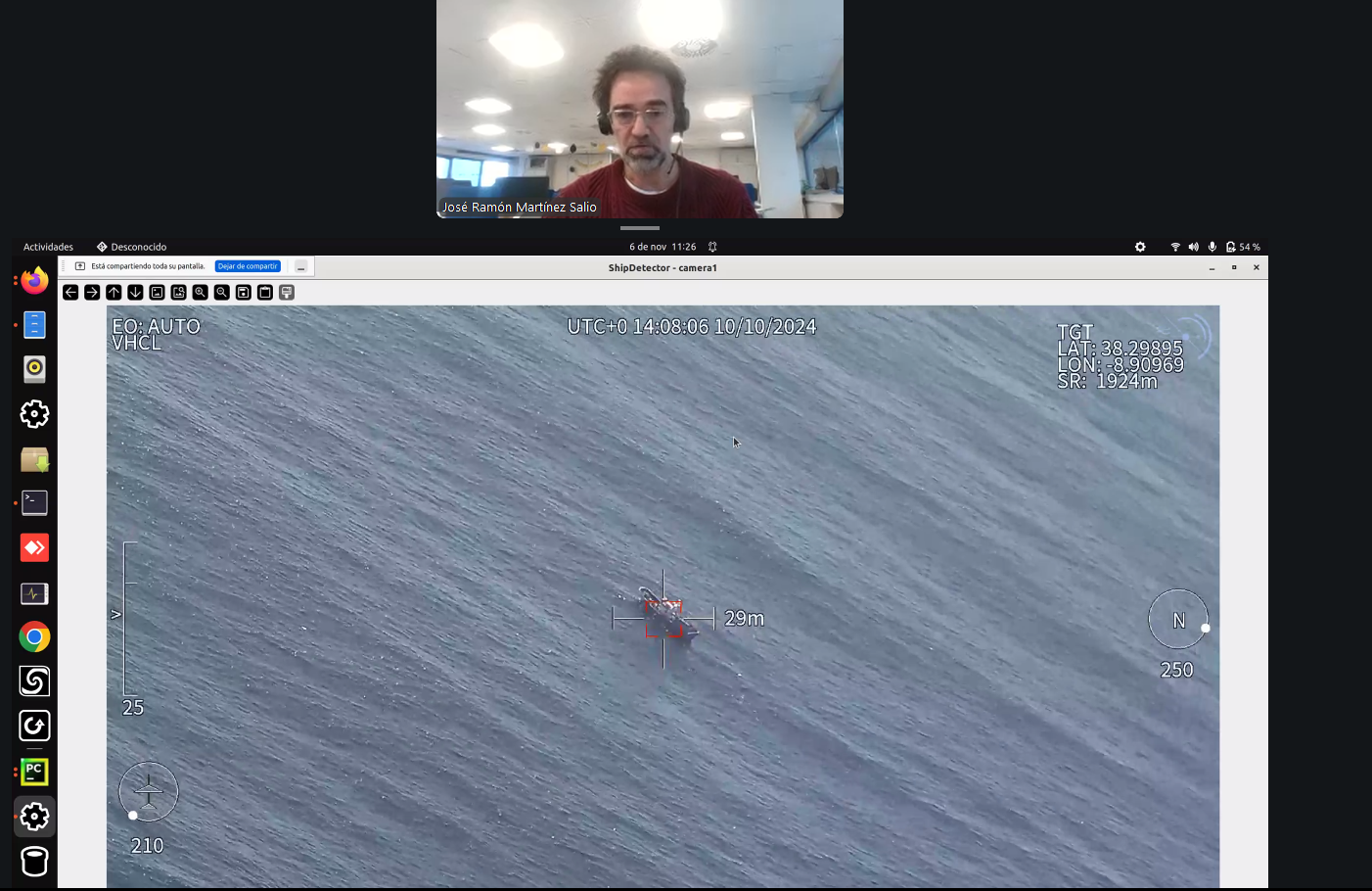
This was followed by a live demonstration from José Ramón Martínez Salio, Senior Research Technologist at Bull, showcasing AI-powered vessel detection and its potential applications in maritime surveillance.
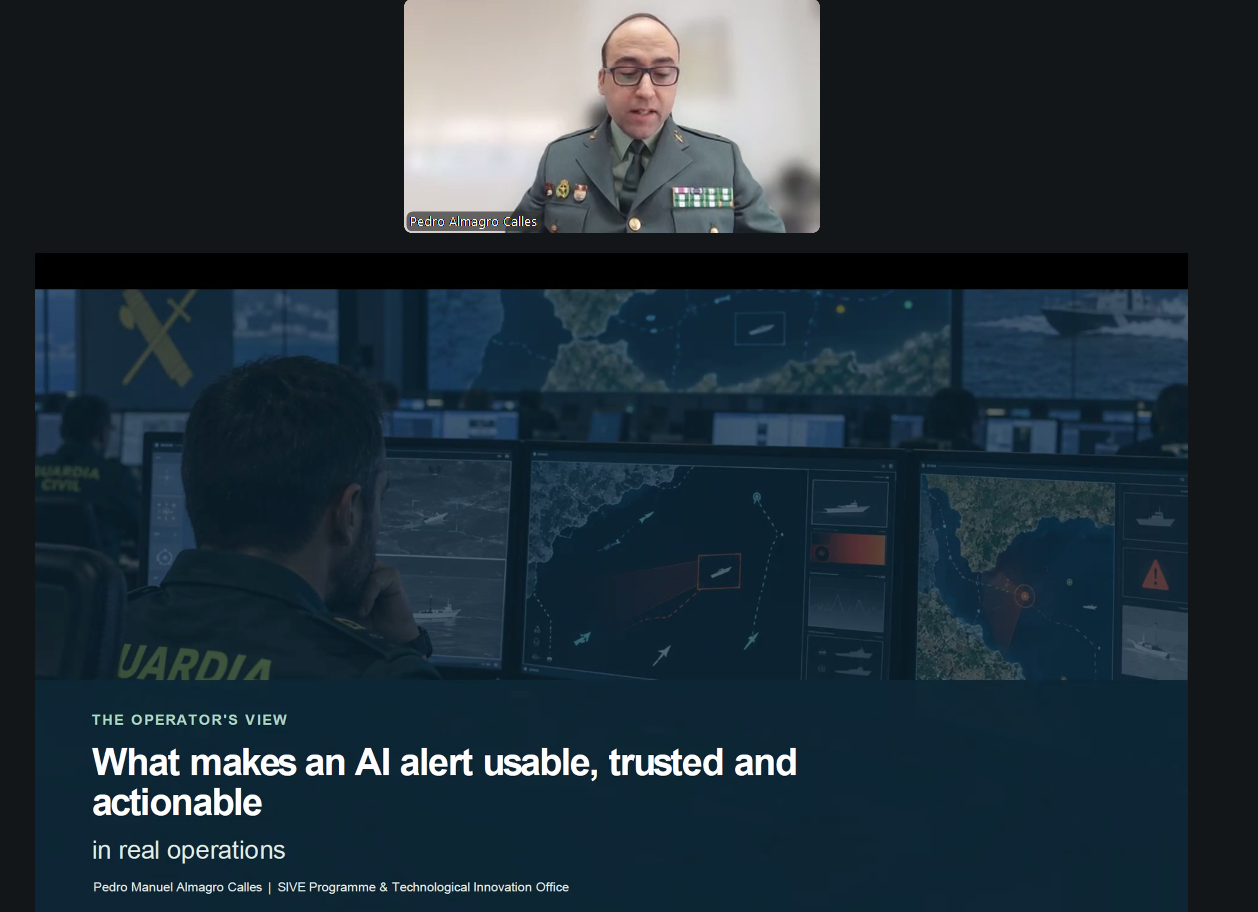
Bringing an operational perspective to the discussion, Lieutenant Colonel Pedro Almagro Calles, Head of the SIVE Programme and Technological Innovation Office at the Spanish Guardia Civil, addressed the conditions needed for AI-generated alerts to become reliable and actionable tools for maritime and border authorities. His contribution emphasised the importance of trust, transparency and keeping human operators at the centre of decision-making.
The workshop was moderated by Ismail Yemmouni from Magellan Circle.
What do maritime authorities need from AI?
An interactive poll conducted during the workshop gathered 29 responses and provided valuable insights into stakeholders’ expectations of AI-powered maritime surveillance tools.
The results highlighted two particularly important requirements:
- 41% of respondents wanted to understand why an AI system generated a particular alert, underlining the importance of explainability and transparency.
- 39% of respondents wanted the ability to correct AI-generated alerts, allowing systems to learn from operator feedback and improve their performance over time.
These findings reinforced one of the workshop’s central messages: AI should support and enhance human decision-making, rather than replace it. For AI tools to be effectively adopted in operational environments, authorities need systems that are understandable, adaptable and responsive to their needs.
Strengthening collaboration for smarter maritime surveillance
The workshop demonstrated the complementary approaches of AI4COPSEC and CROSSMARE in addressing Europe’s evolving maritime security challenges.
While AI4COPSEC focuses on enhancing Copernicus Security Services through GeoAI, machine learning and multi-source data fusion, CROSSMARE develops interoperable technologies and information-sharing capabilities to support coordinated maritime surveillance across agencies and borders.
By bringing together researchers, technology developers and operational authorities, the workshop contributed to a shared understanding of how AI-driven detection and risk assessment can translate into practical, trusted decision-support capabilities.
AI4COPSEC and CROSSMARE would like to thank all 62 participants, the speakers and everyone who contributed to the discussions. The insights gathered will help inform ongoing efforts to develop more effective, transparent and human-centred AI solutions for maritime security.
Learn more about the workshop here and watch the full workshop recording.